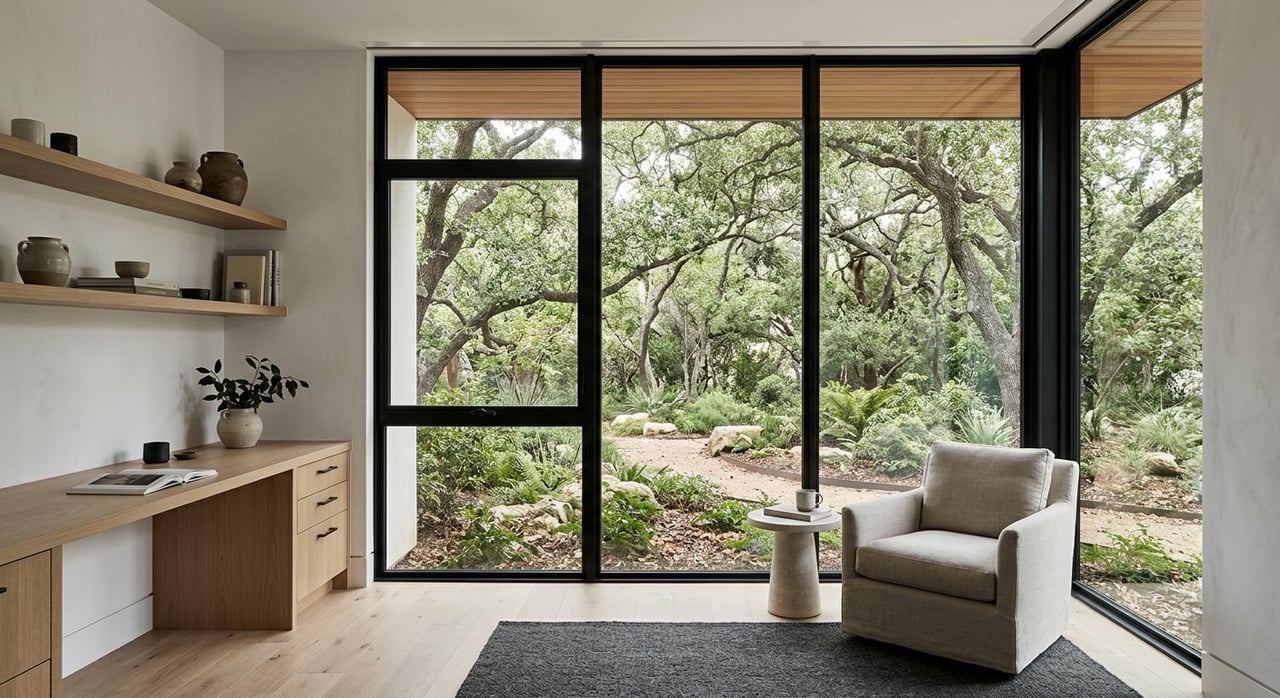
If you want Austin access and everyday proximity to nature, Barton Hills is one of the few places that truly delivers both. For many buyers, that mix is the draw: trails, springs, park space, and central-city convenience all in one compact area. The tradeoff is that Barton Hills is not a one-size-fits-all neighborhood, and buying well here means looking closely at the block, the lot, and the property type. Let’s dive in.
Why Barton Hills stands out
Barton Hills sits in South Austin between Barton Springs Road and Azie Morton Road, South Lamar Boulevard, Barton Creek, and the Rabb Road, Rae Dell, and Barton Skyway edge. That location places you near some of Austin’s most recognized outdoor destinations, including the Barton Creek Greenbelt, Barton Springs Pool, Zilker Park, Umlauf Sculpture Garden, and Zilker Botanical Garden.
That is the heart of the appeal: greenbelt living in the city. You can enjoy a more nature-connected setting while staying close to central Austin destinations, major corridors, and everyday amenities. For buyers who want lifestyle value as much as square footage, that combination is a big reason Barton Hills remains in demand.
What homes in Barton Hills look like
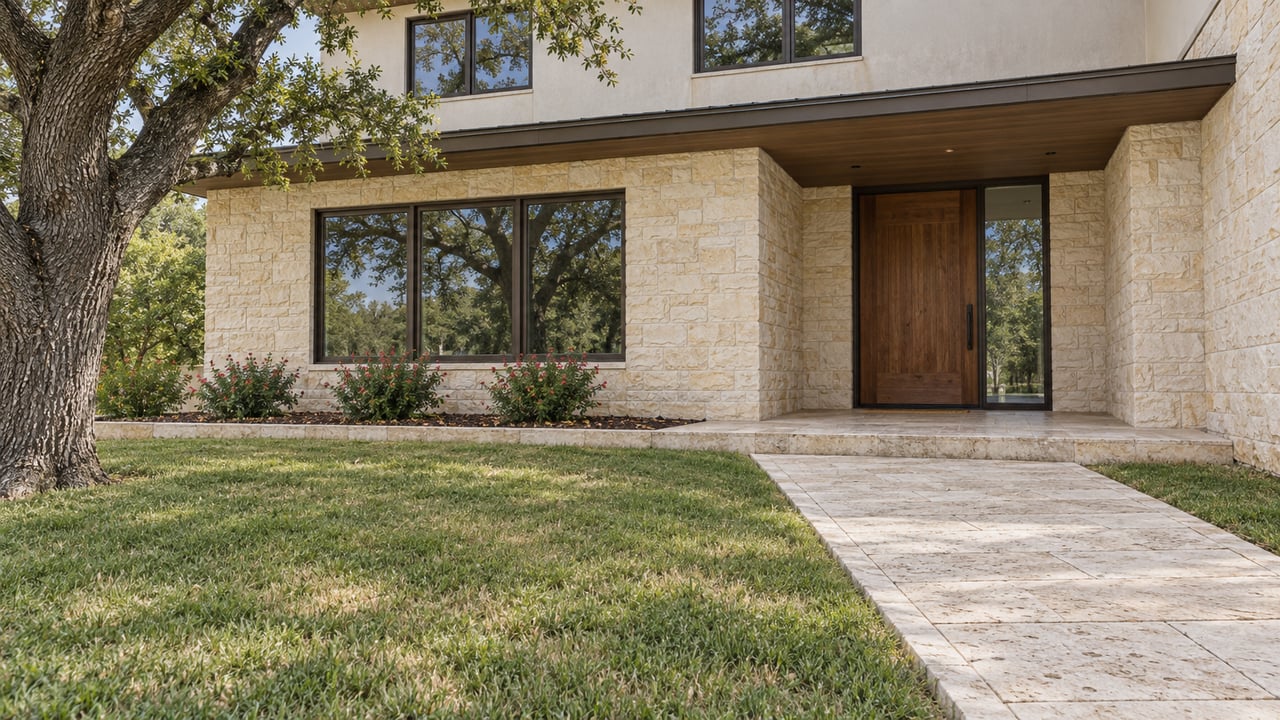
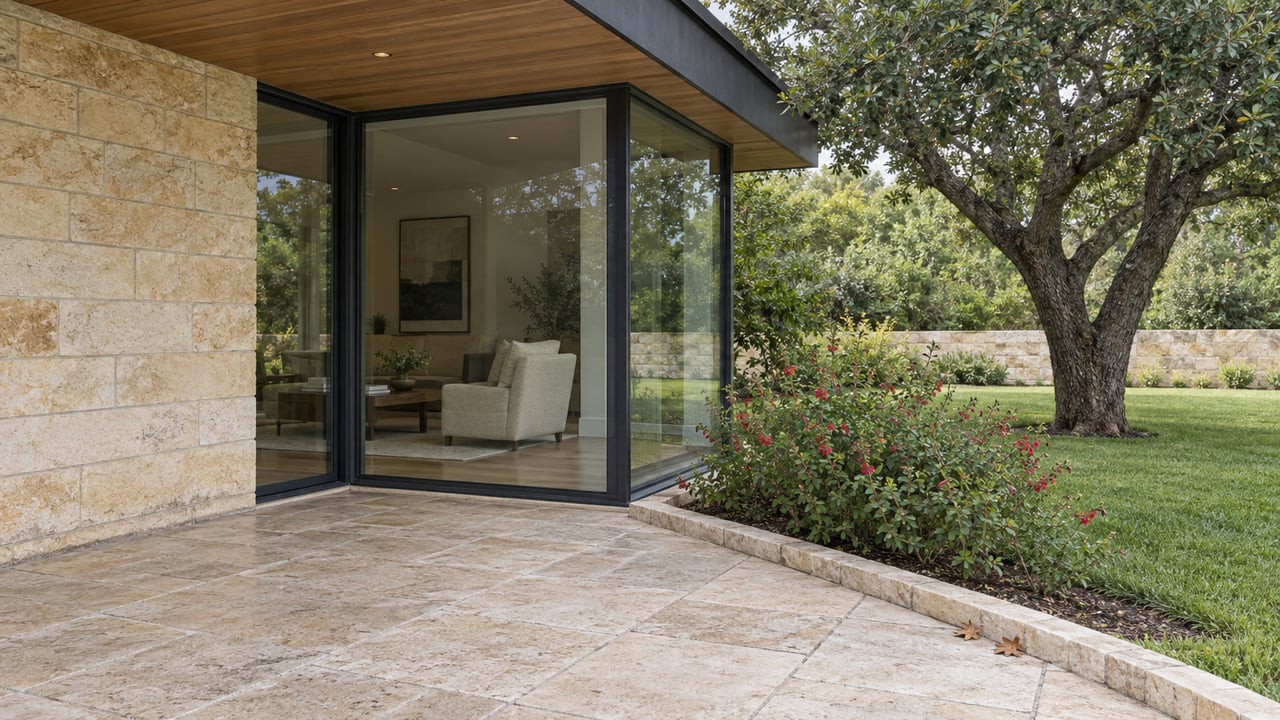
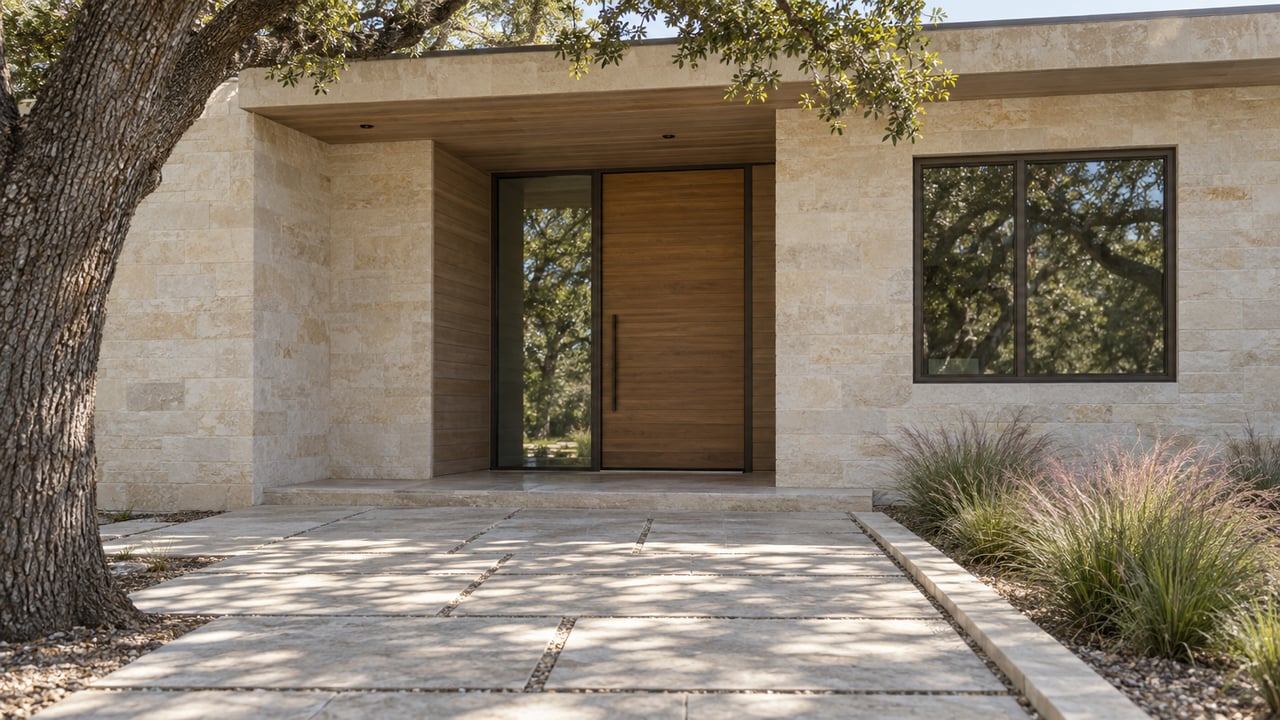
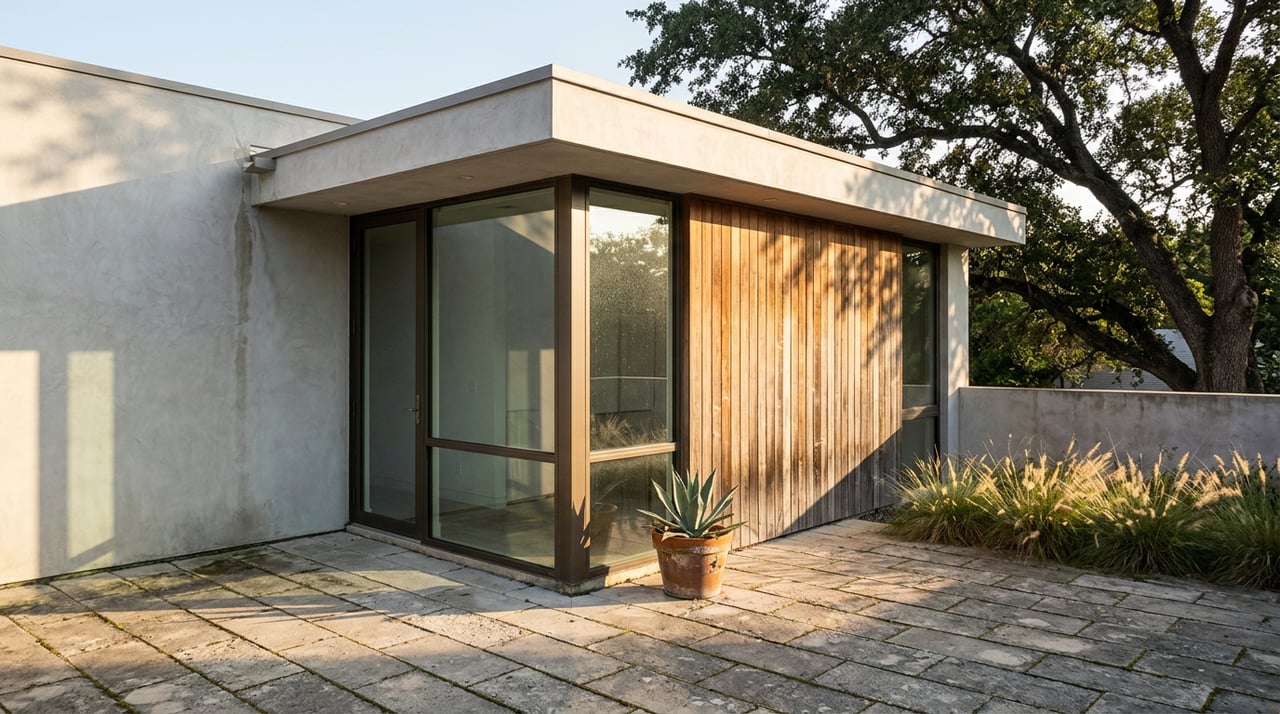
One of the biggest mistakes buyers make is assuming Barton Hills has a single housing profile. It does not. Current inventory includes attached and detached homes, smaller one-bedroom options, two-bedroom units, attached homes at much higher price points, and larger detached homes including new construction.
That range matters because Barton Hills behaves more like a collection of micro-markets than one uniform neighborhood. A buyer searching for a lock-and-leave property may be looking at a very different segment than someone searching for a larger lot, a modern rebuild, or a long-term move-up home.
Barton Hills prices in context
As of April 2026, Realtor.com reported 56 homes for sale in Barton Hills, with a median list price of $1.52 million, a median price per square foot of $590, and about 82 days on market. Redfin reported a March 2026 median sale price of $1,578,750.
Compared with nearby central-south Austin neighborhoods, Barton Hills currently sits at a premium. Redfin median figures place it above Zilker at $1.1 million, Travis Heights at $926,000, and Bouldin Creek at $905,000.
That pricing reflects the neighborhood’s location, access to outdoor amenities, and mix of housing stock. It also means your search should stay focused on value within each property category instead of relying only on a broad neighborhood average.
What today’s market means for buyers
Even in a premium neighborhood, buyers should not assume every listing will move instantly. Austin was reported as the slowest of the 50 most populous metros in February 2026, and the typical home that went under contract in December spent 106 days on market.
In practical terms, Barton Hills is better described today as a high-value neighborhood with selective competition rather than a nonstop bidding-war market. Well-positioned homes can still draw strong interest, but buyers may also find room for negotiation depending on pricing, condition, lot characteristics, and product type.
Why the Greenbelt lifestyle matters
The Barton Creek Greenbelt is a major part of what makes Barton Hills feel different from many other close-in Austin neighborhoods. The city notes that the Greenbelt offers more than 12 miles of trails, including a main 7.5-mile trail, with access points that include Barton Hills School Park at Homedale Drive and Gus Fruh at Barton Hills Drive.
If you picture morning trail runs, quick afternoon walks, or easy access to natural scenery without leaving the city, this is the kind of lifestyle Barton Hills can offer. For many buyers, that everyday convenience carries as much weight as the house itself.
At the same time, the city also notes that water levels vary with rainfall, trail conditions can change quickly, and some areas have limited or no lighting. So while the Greenbelt adds major lifestyle value, it is smart to think about how you will actually use it day to day and in different seasons.
Zilker and Barton Springs are part of daily life
Barton Hills is closely tied to the larger Zilker amenity cluster. Barton Springs Pool is a three-acre spring-fed pool located in Zilker Metropolitan Park, and the park itself spans more than 350 acres.
The city lists amenities that include Barton Springs Pool, the Ann and Roy Butler Hike and Bike Trail, Zilker Botanical Garden, the Austin Nature and Science Center, and Umlauf Sculpture Garden. Major annual events also take place in and around Zilker, including ACL Music Festival, Trail of Lights, and the ABC Kite Festival.
For buyers, this means the neighborhood’s lifestyle premium is real. It also means the surrounding area can feel very different on an ordinary weekday than it does during major event periods.
Traffic and access are not the same every day
A smart Barton Hills home search should include more than the house tour. You should also pay attention to how you enter and leave the neighborhood.
Barton Springs Road is a key access route, and the city says the Barton Springs Road Safety Project reduced westbound traffic to one lane and added protected bike lanes. That can improve mobility options for some residents, but it also changes how the corridor functions.
The city also notes that special events around Zilker can change traffic patterns or require pre-credentialing. In plain terms, normal-day access and event-day access can feel very different, and that difference is worth experiencing before you buy.
Transit and getting around
If you want alternatives to driving, Barton Hills has transit access that may support your routine depending on where you work and how often you travel downtown or elsewhere in the city. CapMetro lists Route 30 at Barton Springs and Barton, and Barton Springs Station includes Route 484 Downtown and Route 803 Domain service.
That does not mean every property will feel equally connected, but it does add flexibility. For some buyers, especially relocators or households with mixed commuting patterns, that can be a meaningful part of the location value.
Floodplain questions buyers should ask
Because Barton Hills borders Barton Creek, lot-specific due diligence matters here. Austin’s Floodplain Management office says about 10% of city land is in the floodplain, that city and county floodplain maps are being updated using Atlas 14, and that projects in the 25-year and 100-year floodplains are regulated.
The key takeaway is simple: do not assume the whole neighborhood carries the same flood or drainage profile. Two homes that are close to each other can present different questions based on parcel position, topography, drainage patterns, and map updates.
When you are evaluating a property in Barton Hills, it is wise to verify:
- Parcel-level floodplain status
- Drainage characteristics of the lot
- Any insurance implications tied to location
- How creek adjacency or low-lying areas may affect future plans
This is one of the clearest examples of why Barton Hills buying should stay property-specific, not just neighborhood-specific.
The conservation story adds long-term appeal
Part of Barton Hills’ identity comes from the environmental importance of the surrounding area. Austin’s Water Quality Protection Lands program was created to protect the Barton Springs segment of the Edwards Aquifer and now includes more than 34,000 acres of conservation lands.
For buyers, that does not just sound good on paper. It helps explain why this part of Austin continues to stand out for people who value preserved natural systems, water quality, and a stronger connection to the landscape around them.
Who Barton Hills fits best
Barton Hills can work well for several kinds of buyers, but it is especially compelling if your home search is driven by lifestyle. You may find it a strong fit if you want central access, frequent park and trail use, and a setting that feels more established and nature-oriented than many urban neighborhoods.
It can also make sense if you are open to different housing formats. Since inventory spans everything from smaller attached homes to high-end detached properties and new construction, buyers who stay flexible often uncover more options than they expected.
A smart buying strategy for Barton Hills
Because Barton Hills includes multiple micro-markets, your strategy should start with priorities, not assumptions. Price alone will not tell you whether one listing is a better fit than another.
A practical approach is to compare homes through the lens of daily living. Think about how often you want to access the Greenbelt or Zilker, how comfortable you are with event-related traffic, whether attached or detached living fits your plans, and how important lot characteristics are to you.
Here are a few smart questions to guide your search:
- Do you want direct lifestyle access more than maximum square footage?
- Are you open to attached housing, or do you need a detached home?
- How important is lot usability for outdoor living or future changes?
- Have you reviewed floodplain and drainage factors for each property?
- Have you visited the area on both regular days and event-heavy days?
In a neighborhood like Barton Hills, that level of clarity can help you move faster when the right property appears and stay disciplined when one only looks good at first glance.
Final thoughts on buying in Barton Hills
Barton Hills earns its reputation because it offers something rare in Austin: a close-in neighborhood where outdoor access is not an occasional perk but part of everyday life. The Greenbelt, Barton Springs, and the wider Zilker area give it a location story that is hard to replicate.
At the same time, buying here requires nuance. Inventory is diverse, pricing sits at a premium, and issues like event-day access and parcel-specific floodplain risk can shape your experience in meaningful ways.
If you want a home that connects you to both Austin and the landscape that defines it, Barton Hills is absolutely worth a close look. If you want help narrowing the right block, lot, and property type for your goals, Local Color Realty Group offers owner-led guidance rooted in deep Central Austin neighborhood knowledge.
FAQs
What is Barton Hills known for in Austin?
- Barton Hills is known for its proximity to the Barton Creek Greenbelt, Barton Springs Pool, Zilker Park, Umlauf Sculpture Garden, and Zilker Botanical Garden, giving buyers a nature-focused lifestyle in a central Austin location.
What is the typical home price in Barton Hills?
- As of April 2026, Realtor.com reported a median list price of $1.52 million in Barton Hills, while Redfin reported a March 2026 median sale price of $1,578,750.
Are there different property types in Barton Hills?
- Yes. Current inventory includes attached and detached homes, smaller one-bedroom units, two-bedroom options, attached homes at higher price points, and larger detached and new-construction properties.
Should Barton Hills buyers check floodplain maps?
- Yes. Because the neighborhood borders Barton Creek, buyers should verify parcel-level floodplain status, drainage, and possible insurance implications for each property rather than assume risk is the same across the neighborhood.
How does traffic affect daily life in Barton Hills?
- Traffic can vary quite a bit. Barton Springs Road is a key corridor, and major Zilker-area events can change traffic patterns, parking, and access, so it is wise to experience the area on both regular days and event days.
Is Barton Hills a competitive neighborhood for buyers?
- Barton Hills remains a premium neighborhood, but current market conditions suggest buyers may have some leverage depending on the listing’s price, condition, lot characteristics, and property type.