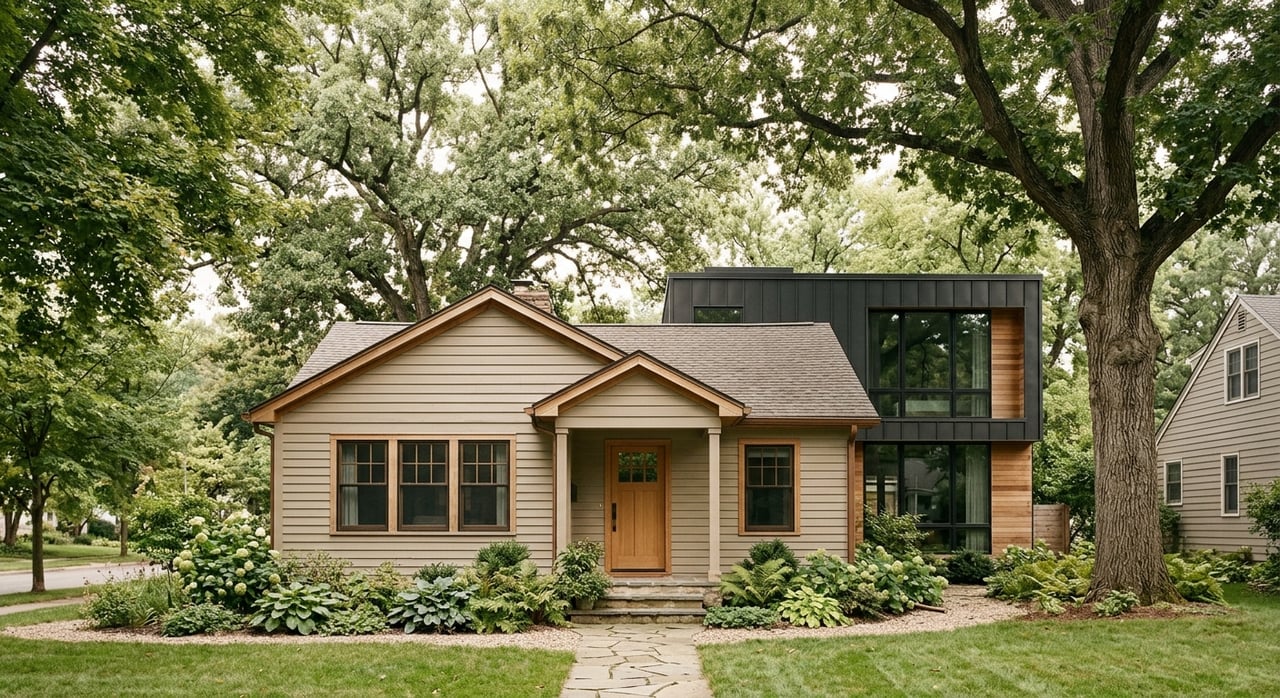
If you are drawn to Central Austin but torn between old-house charm and newer turnkey living, Rosedale makes that choice feel both exciting and a little complicated. This neighborhood has a long residential history, and its homes reflect decades of change, from modest 1930s cottages to carefully scaled infill construction. If you are buying, selling, or simply trying to understand what gives Rosedale its character, this guide will help you read the housing stock with more confidence. Let’s dive in.
How Rosedale's Housing Story Took Shape
Rosedale is an established Central Austin neighborhood with City of Austin planning-area boundaries defined by Hancock Drive, Burnet Road, West 45th Street, North Lamar Boulevard, West 38th Street, West 35th Street, MoPac, and Shoal Creek. The area began as farm and dairy land in the 1800s, then transitioned into residential subdivision activity in the late 19th and early 20th centuries.
The biggest wave of housing arrived in the 1930s and 1940s. That matters today because many of the neighborhood’s surviving historic homes date to that era, giving Rosedale much of its familiar scale and architectural identity.
Rosedale has not stood still, though. Over time, development pressure has continued, especially along the Burnet and North Lamar corridor, which helps explain why you now see a mix of preserved originals, expanded homes, duplex-style layouts, and boutique new builds.
What Rosedale Homes Look Like Today
Rosedale is not a one-note neighborhood. Its housing stock includes small cottages, bungalows, Revival-era homes, Ranch houses, renovated hybrids, and newer infill properties, often all within the same general street grid.
That variety is part of the appeal. It also means you need to look closely at each property, because two homes with similar street presence may offer very different layouts, finish levels, parking setups, and long-term maintenance needs.
1930s and 1940s Bungalows
The heart of Rosedale is still its earlier housing stock. Preservation Austin describes surviving styles in the neighborhood as Colonial and Tudor Revivals, Ranch houses, Cottages, and Bungalows.
These homes often sit on compact lots and reflect the scale of an older Austin neighborhood. The City of Austin has described Rosedale as an area with small lots, narrow driveways, fewer garages, and fewer sidewalks, and those physical traits still shape daily life and property design.
In current examples, 4413 Bellvue Ave is a 1939 bungalow with 1,760 square feet on a 6,255 square foot lot. It includes original hardwood floors, tall ceilings, two living areas, and alley access, which gives you a useful snapshot of what buyers often hope to find in a classic Rosedale home.
Expanded Older Homes
Many Rosedale homes have been enlarged rather than replaced. This is one of the neighborhood’s most common patterns, especially when owners want more function without losing the original scale and charm that drew them to the area in the first place.
For example, 4413 Bellvue is described as updated and expanded while preserving original character. Another example, 4312 Rosedale Ave, sold in February 2026 for $1.899M after major upgrades that included new AC and furnace systems, refinished hardwoods, spray-foam insulation, built-ins, and updated pool and spa controls.
For you as a buyer, that means an older exterior does not always signal an older living experience. In Rosedale, many homes blend vintage curb appeal with modern systems and a more practical interior layout.
Duplex and Flexible-Use Layouts
Some homes in Rosedale show a more flexible approach to use and design. A current example is 4611 Rosedale Ave, a 1941 duplex-style property on a 6,795 square foot lot with two independent units, separate entrances, private yard space, two open garages, and a long driveway.
This kind of setup reflects a broader pattern in the neighborhood, where some older homes have been repurposed instead of simply restored. It also shows how lot constraints and housing demand can influence creative layouts in an established Central Austin setting.
Boutique New Builds
New construction exists in Rosedale, but it tends to be boutique infill rather than large-scale subdivision development. That distinction matters, because newer homes here usually need to fit into an established block pattern instead of being built in a blank-slate master-planned setting.
One recent example is a 2024 Mediterranean-inspired home at 4304 Shoalwood Ave, listed at $1.995M with 3 bedrooms, 3.5 baths, 2,604 square feet, and a 6,581 square foot lot. Compared with older bungalows nearby, homes like this offer a more turnkey experience, with pricing that reflects newer construction and a polished finish level.
Why Lot Size Matters So Much
In Rosedale, lot size often shapes the house more than the other way around. The neighborhood’s older framework means many properties work within tighter site conditions, especially when it comes to parking, additions, and outdoor space planning.
Recent listings show lots clustering around the mid-6,000-square-foot range. Examples include 4413 Bellvue Ave at 6,255 square feet, 4312 Rosedale Ave at 6,690 square feet, and 4611 Rosedale Ave at 6,795 square feet.
That does not mean lots are unusable or cramped. It means design choices tend to be intentional, and features like rear additions, second living areas, garage apartments, alley access, or converted duplex layouts often make more sense than trying to dramatically expand the footprint.
What Buyers Should Notice in Rosedale
If you are shopping for a home in Rosedale, it helps to focus on tradeoffs, not just style. A charming bungalow may offer original hardwoods, tall ceilings, and a front porch, but you may also find narrower driveways, limited garage space, or a smaller original footprint.
On the other hand, a renovated or newly built home may solve for layout, storage, and systems. In exchange, you are often paying a premium for turnkey condition, construction quality, and a design that has already responded to the lot’s constraints.
A practical way to compare properties is to look at these factors:
- Original condition versus updated systems
- Parking setup and driveway width
- Lot layout and usable yard space
- Addition quality and flow with the original house
- Flexibility for guests, work space, or multi-unit use
- How much project appetite you realistically have
In Rosedale, the best fit often comes down to how you want to live, not just what style you prefer from the curb.
What Sellers Can Highlight
If you own a home in Rosedale, your property story matters. Buyers are often responding to a combination of architecture, updates, lot function, and how well a home balances original character with present-day livability.
That means details such as original hardwood floors, tall ceilings, alley access, expanded floor plans, private yard zones, or thoughtful system upgrades can all carry weight. In a neighborhood with varied housing types, clear positioning helps buyers understand why your home stands out.
For homes that have been updated, it is especially important to show how the improvements support daily use. In Rosedale, strong presentation is not just about finishes. It is about helping buyers see how an older home has been adapted to fit modern expectations while respecting the neighborhood’s established feel.
Understanding Rosedale Price Bands
Rosedale covers a wide price range, but the pricing often lines up with condition, flexibility, and finish level. Smaller or more flexible-use opportunities can sit at the lower end of the range, while expanded bungalows and turnkey infill homes climb quickly.
A current snapshot helps illustrate the spread:
| Home type | Example | Approximate price point |
|---|---|---|
| Flexible-use or duplex-style property | 4611 Rosedale Ave | $675,000 |
| Updated cottage or renovated bungalow | 4616 Sinclair Ave | $795,000 |
| Expanded bungalow | 4413 Bellvue Ave | $1.149M |
| Heavily upgraded home | 4312 Rosedale Ave | $1.899M sold Feb. 2026 |
| Boutique new build | 4304 Shoalwood Ave | $1.995M |
The big takeaway is simple. In Rosedale, your budget is closely tied to your tolerance for compromise or your desire for turnkey living.
If you want original character, you may trade some square footage, parking, or finish level. If you want newer construction or a more polished renovation, the price usually reflects that convenience, design, and build quality.
Why Rosedale Continues To Appeal
Rosedale’s housing mix gives it a layered feel that many buyers find hard to replicate. You can still find cottages and bungalows from the neighborhood’s key growth era, but you also see homes that have been expanded, reworked, or newly built to meet current demand.
That blend is a big part of the neighborhood’s identity. Instead of feeling uniform, Rosedale reads as a place where architecture, lot size, and renovation choices tell an ongoing story about how Central Austin homes evolve over time.
For buyers, that creates meaningful options. For sellers, it creates an opportunity to position a home not just by square footage, but by how it fits into the broader character and rhythm of the neighborhood.
If you are thinking about buying or selling in Rosedale, a neighborhood-level strategy can make all the difference. Local Color Realty Group brings an owner-led, design-aware approach to helping you understand what makes each property and each block distinct.
FAQs
Are there still original cottages in Rosedale?
- Yes. Surviving original homes are concentrated in the 1930s and 1940s housing stock, though many have been altered, expanded, or replaced over time.
Are Rosedale lots large compared with suburban neighborhoods?
- No. Current examples often fall around the mid-6,000-square-foot range, and lot size frequently shapes parking, additions, and outdoor layout decisions.
Are new builds common in Rosedale?
- Newer homes do exist, but the available examples point more to boutique infill construction than large-scale tract development.
What original details still show up in renovated Rosedale homes?
- Common details in current listings include original hardwood floors, tall ceilings, front porches, alley access, and expanded floor plans that preserve some of the home’s earlier character.
What price range should you expect for homes in Rosedale?
- Current examples range from about $675,000 for a flexible-use duplex-style property to nearly $2M for a boutique new build, with many updated or expanded homes landing in between.