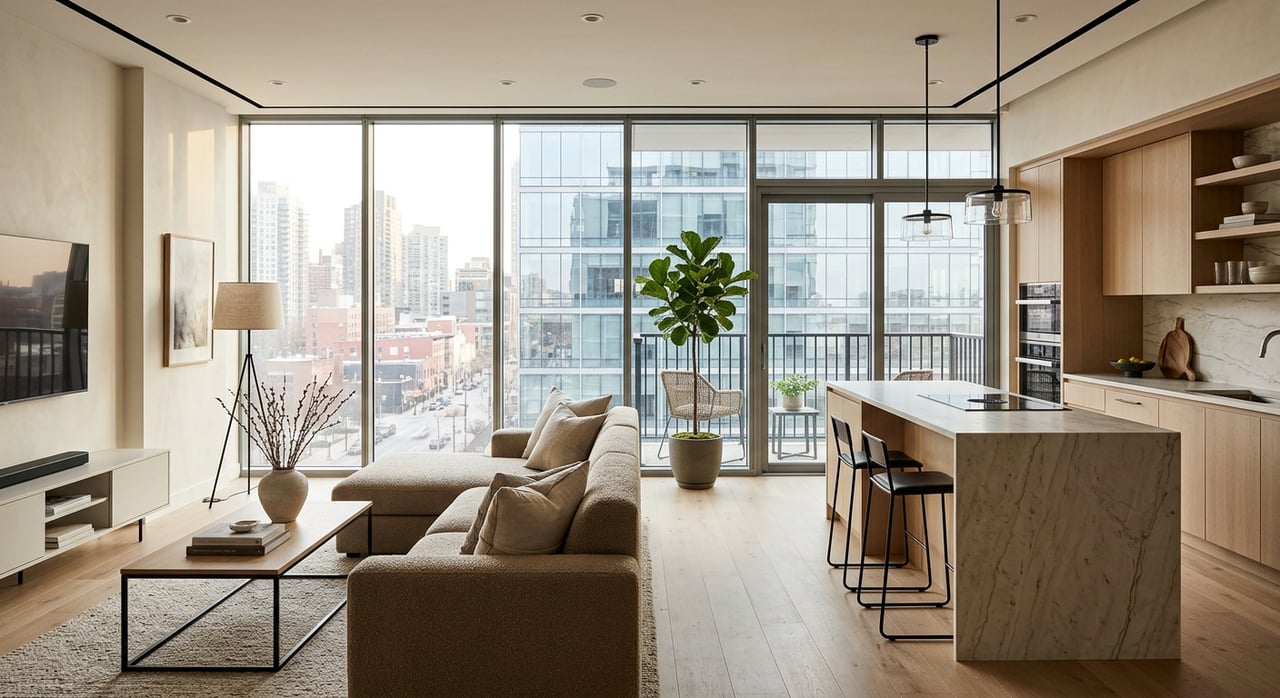
Wondering whether buying a condo in Downtown Austin is a smart move for your lifestyle and budget? You are not alone. For many buyers, the appeal is easy to see: skyline views, walkable blocks, shared amenities, and a lock-and-leave setup that feels very different from owning a house. But downtown condo shopping is also more document-driven and building-specific than many people expect. This guide will help you understand how the process works, what to compare, and how to narrow your options in Downtown Austin. Let’s dive in.
Why downtown condos work differently
Buying a condo in Downtown Austin is not the same as buying a fee-simple house. In a condo purchase, you are evaluating both the unit and the building that supports it. That includes common elements, parking rights tied to the unit, and the association documents that govern day-to-day ownership.
In Texas, the TREC Residential Condominium Contract (Resale) is built for this kind of transaction. As of June 21, 2026, TREC notes that form 30-18 is voluntary until July 1, 2026, when it becomes mandatory. The form also gives buyers a cancellation window of six days after receiving the documents or resale certificate if those items were not delivered on time.
That matters because your due diligence should begin early. You are not just checking finishes, views, and floor plans. You are also reviewing the declaration, bylaws, rules, and resale certificate to understand how the building actually operates.
Start with the documents
Downtown towers often market a polished lifestyle, but the governing documents tell you what ownership really looks like. The resale certificate must be prepared no more than three months before delivery to the buyer, which makes it one of the most useful tools in your review process.
As you compare buildings, use the paperwork to confirm key issues such as:
- What the HOA fee covers
- Whether there are reserves or signs of assessment risk
- How parking is assigned or deeded
- Whether rental restrictions apply
- What the pet rules actually say
- Whether current or upcoming capital projects are noted
This is where downtown condo shopping becomes very practical. A beautiful lobby or rooftop pool may shape first impressions, but your long-term experience is often defined by the rules, costs, and building policies behind the scenes.
Understand the downtown price spread
One of the biggest mistakes buyers make is treating Downtown Austin as one single market. In reality, it is a set of submarkets with different price points, building styles, and lifestyle tradeoffs.
Redfin pegs Downtown Austin’s median sale price at $685,000 in March 2026. At the same time, current 78701 inventory shows a wide spread in active listings, which helps explain why tower choice and micro-area matter so much.
West End and Seaholm pricing
In the West End, Seaholm, and Market District corridor, current active listings suggest a premium band with several tiers inside it. Examples range from 222 West Ave #1908 at $600,000 for a one-bedroom to 501 West Ave #3201 at $2.75 million for a three-bedroom.
Other active examples in this area include:
- 301 West Ave #3604 at $925,000
- 222 West Ave #1613 at $1.175 million
- 222 West Ave #1901 at $2.29 million
- 301 West Ave #5302 at $2.481 million
A practical expectation in this submarket is roughly $600,000 to $2.75 million, depending on size, floor, view, and building.
Rainey and East Avenue pricing
Rainey Street, East Avenue, and the waterfront tower corridor show one of the broadest pricing bands downtown. Current listings range from 48 East Ave #1007 at $380,000 to 70 Rainey #2301 at $2.495 million.
Other active examples include:
- 48 East Ave #1706 at $495,000
- 48 East Ave #1707 at $495,000
- 70 Rainey #2203 at $499,900
- 70 Rainey #1503 at $570,000
- 84 East Ave #2506 at $850,000
- 44 East Ave #1808 at $875,000
- 44 East Ave #2907 at $950,000
- 70 Rainey #1901 at $1.465 million
- 84 East Ave #3906 at $1.838 million
This range gives buyers more variety, but it also makes building-by-building comparison essential.
Older downtown entry points
If you want a downtown address without stepping into newer luxury tower pricing, older or legacy buildings can offer a lower entry point. Current active listings include 1800 Lavaca St #203 at $179,900, 505 W 7th St #113 at $324,900, and 603 Davis St #1101 at $460,000.
These listings are snapshots of active inventory, not sold-price averages. Still, they show a useful pattern: older buildings can create sub-$500,000 opportunities, mainstream full-service towers often sit in the mid-$500,000s to low-$1 millions, and large premier residences can reach well above $2 million.
Compare towers by lifestyle, not just price
Downtown condo buying is really about matching your daily life to the right building. Two units at similar price points can feel very different once you account for amenities, services, parking, and rental flexibility.
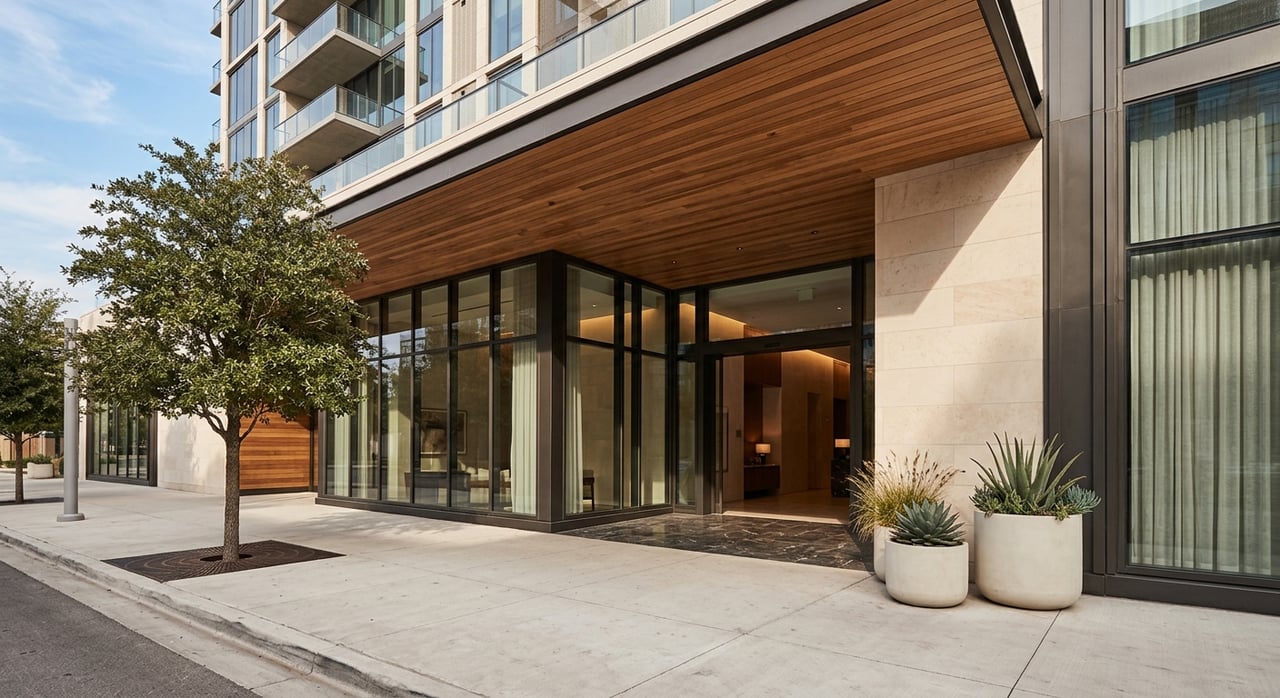
Newer Rainey and East Avenue towers often lean into full-service living. For example, 70 Rainey highlights more than 31,000 square feet of amenities, including an infinity-edge pool, rooftop gardens, a fitness center, yoga terrace, saunas, a dedicated pet park, and 24/7 concierge service.
44 East describes more than 13,000 square feet of amenities, including a rooftop pool, yoga and fitness studios, co-working spaces, a dog park, and 24-hour concierge. Natiivo markets a fully furnished setup with hotel-style services such as housekeeping, a rooftop pool, fitness center, outdoor terrace and garden, bike storage, dog run, pet washing station, and 24-hour concierge.
Established towers in Seaholm, the Market District, and west downtown also offer strong amenity packages, but the mix varies. Building descriptions for 222 West, 360 Condominiums, and Fifth & West include combinations of concierge service, pools, fitness spaces, lounges, pet amenities, event areas, and guest-focused features.
Pay close attention to parking
Parking can be one of the biggest practical differences between downtown condo options. It is not safe to assume every unit includes a garage space, or that one building handles parking the same way as another.
Current MLS examples show sharp variation. One listing for 70 Rainey #2203 includes one parking space, while 84 East Ave #3906 includes two garage spaces. Another active listing, 48 East Ave #1007, shows no parking spot listed.
That can matter a lot in this part of town. The Rainey Street District visitor guide notes that street parking is limited, expensive, and usually full, with garages and rideshare drop-off serving as the more practical options. If you own a car, parking should be part of your first-round screening, not an afterthought.
Verify pet rules in writing
Many downtown towers market pet-friendly features, but that does not mean every pet is allowed under the governing rules. A dog park or pet washing station may be part of the amenity package, yet the actual policy may still include size limits or breed restrictions.
That is why it is important to verify the building’s pet policy in the documents, not just in marketing materials. Current MLS remarks for a Vesper unit, for example, show language about small pets, size limits, and breed restrictions. If you are buying with a pet in mind, ask for the exact written rule early.
Check rental flexibility carefully
Rental rules are another area where downtown condos can differ dramatically. Some buyers want a full-time residence. Others want the option to lease the unit later, whether for long-term rental or shorter stays.
Natiivo is the clearest downtown example of flexible ownership. Its building materials say owners may lease units as short-term rentals while also using them as private residences. That said, this kind of flexibility is building-specific, so you should confirm rental permissions in the declaration and resale certificate before assuming any tower allows Airbnb-style use.
Condo versus house in central Austin
If you are deciding between a downtown condo and a house in West or Central Austin, the tradeoff usually comes down to space and privacy versus convenience and services. A detached home may offer a yard, more separation, and more flexibility around use. A condo often offers walkability, shared amenities, and easier lock-and-leave ownership.
Current detached-home listings in central Austin help frame that comparison. Examples include a four-bedroom home in 78757 at $1.25 million on 0.25 acres, a three-bedroom home in 78704 at $1.448 million on 0.32 acres, and a five-bedroom home in 78704 at $2.93 million on 0.16 acres.
Neither path is automatically better. The better question is how you want to live. If you value amenity-rich urban living and a more maintenance-light setup, a downtown condo may be the right fit. If you want land, a yard, or more detached-home flexibility, a house may align better.
A smart condo checklist
As you compare buildings in Downtown Austin, keep your focus on the details that shape ownership after closing. A practical checklist includes:
- What does the HOA fee cover?
- How much are the monthly dues?
- Is parking deeded, assigned, optional, or absent?
- Is guest parking available?
- What are the pet rules?
- What are the rental rules?
- Are there current or upcoming capital projects?
- How does the building’s amenity mix fit your actual routine?
- Does the micro-area match your pace and preferences?
This is the clearest takeaway for downtown condo buyers: you are not just buying square footage. You are choosing a building, a rule set, a service level, and a downtown micro-area that all work together.
If you want help sorting through towers, reading the details behind the listing, and finding the right fit for how you want to live in Austin, Local Color Realty Group brings an owner-led, highly personalized approach to the search.
FAQs
What makes buying a condo in Downtown Austin different from buying a house?
- A downtown condo purchase involves reviewing the unit plus the building’s governing documents, including rules on common elements, parking, pets, rentals, and association operations.
What documents should you review before buying a Downtown Austin condo?
- You should review the declaration, bylaws, rules, and resale certificate, since these documents help confirm HOA costs, parking rights, pet policies, rental restrictions, and possible assessment or project issues.
What is the price range for condos in Downtown Austin?
- Current active listings show a very broad range, from older downtown options under $500,000 to newer full-service towers in the mid-$500,000s to low-$1 millions, with larger luxury residences above $2 million.
What should you know about parking in Downtown Austin condo buildings?
- Parking varies by unit and building, with some listings including one or two garage spaces and others showing no parking at all, so you should verify the exact arrangement in the listing and documents.
Are Downtown Austin condo buildings pet-friendly?
- Some towers offer pet-focused amenities, but the actual pet policy may still include size or breed restrictions, so you should confirm the written rules before moving forward.
Can you use a Downtown Austin condo as a rental property?
- Rental flexibility depends on the building, and while some properties like Natiivo are marketed for short-term rental use, you should confirm rental permissions in the declaration and resale certificate for any unit you are considering.