Ask a buyer scanning 78746 listings which of the two neighborhoods costs more per square foot, and most guess Westlake Hills. It has the acreage, the Hill Country views, the name recognition that comes with being three times the size of its neighbor. Trailing 24-month sales data through the second quarter of 2026 say otherwise. Rollingwood, the smaller and quieter of the two, is running close to $897 per square foot against roughly $655 in Westlake Hills.
That gap is not about finish level or lot size. It is about what it actually costs to build or rebuild inside a city of about 1,600 people that runs its own government, sets its own construction calendar, and lets a meaningful share of its real transactions happen somewhere a portal search will never find them. Here is what sits underneath the number.
A City Within a City
Rollingwood incorporated in 1955 and has never handed its zoning or permitting authority to Austin. It has its own city hall on Nixon Drive, its own police department, and its own building code, which means a buyer planning a renovation or rebuild is not dealing with Austin's Development Services office at all. They are dealing with a much smaller staff running much smaller processes.
That smallness cuts both ways. City council minutes from February 2026 show a resident on Hatley Drive raising a backyard drainage issue in the city's own easement, directly to the mayor and council, in the same meeting where other city business got handled. In a jurisdiction this size, an individual homeowner's infrastructure problem is not a ticket in a queue. It is agenda business. That responsiveness is part of what buyers pay for, and it is also a reminder that utility infrastructure here is not uniform. Some Rollingwood streets run on city water and sewer. Others still rely on private septic systems or wells that predate any municipal connection. Confirming which one applies to a specific lot, before writing an offer, is not optional due diligence. It changes the maintenance budget and the renovation scope.
What Independent Governance Costs a Builder
Construction inside Rollingwood runs on a narrower clock than most of Austin. Building activity is permitted only Monday through Friday, 7 a.m. to 7 p.m., with no work allowed on weekends or city holidays. Quiet interior work gets a narrow Saturday exception, 10 a.m. to 4 p.m., and only if it creates no nuisance related to noise, traffic, odor, or dust. Every concrete truck and framing crew enters and exits through a single designated route, Rollingwood Drive at Bee Caves Road, with other streets flagged off-limits to construction traffic entirely.
None of that is a technicality. A rebuild that would run on a normal five-and-a-half or six-day schedule elsewhere gets compressed into five days here, with a single approved entry point for every delivery. That adds real weeks to a project timeline, and builders price time.
Sixteen hundred residents. Under a square mile of land. One approved route in for the trucks that build a $3 million house.
The Two-Tier Number Hiding Inside "Median Price"
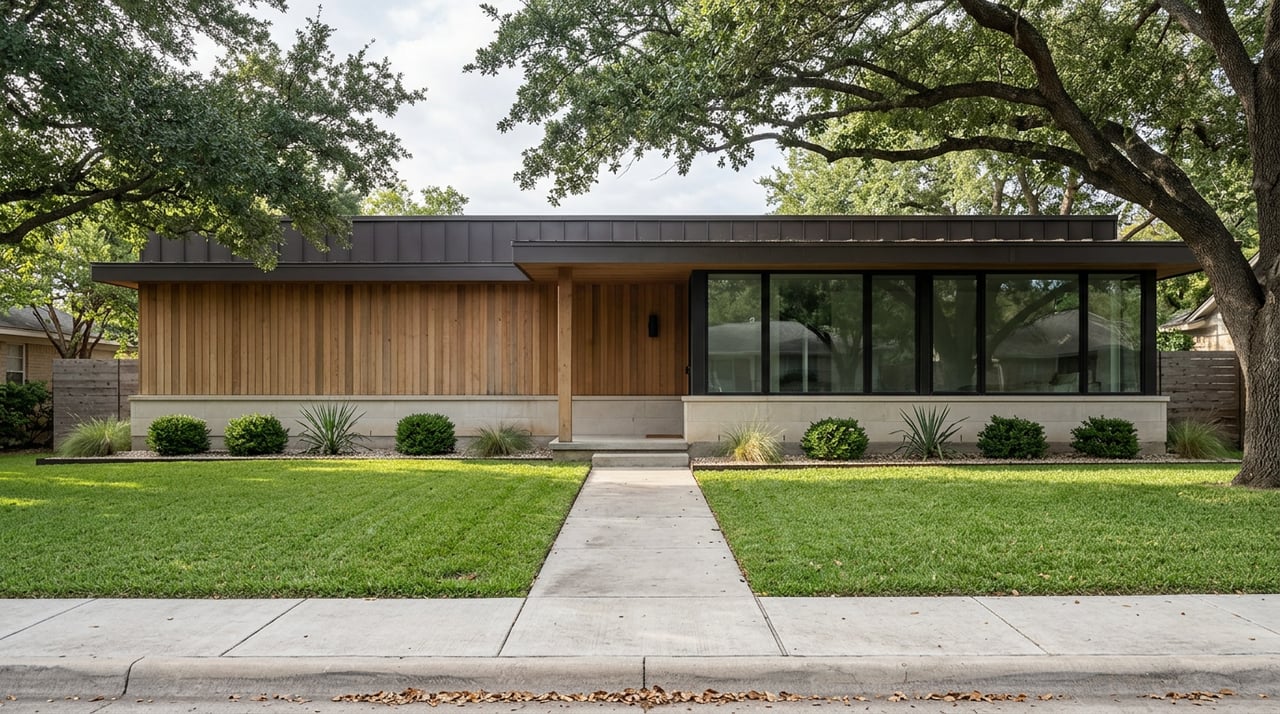
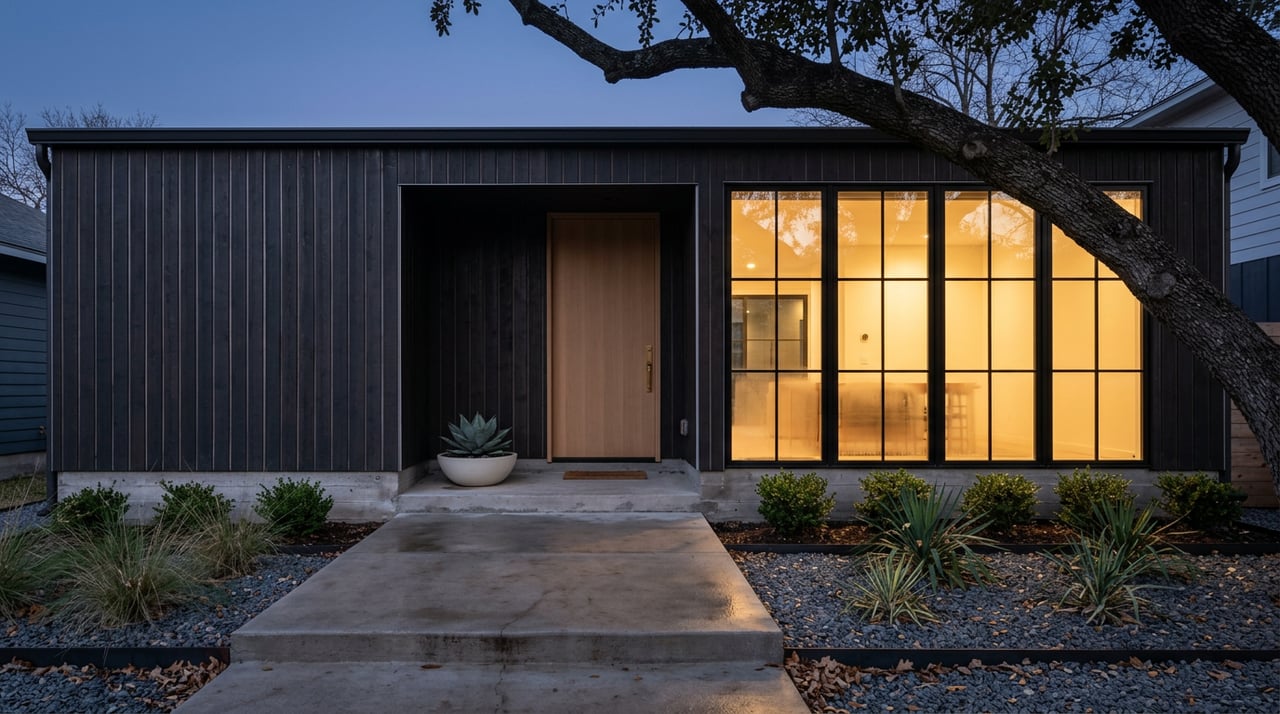
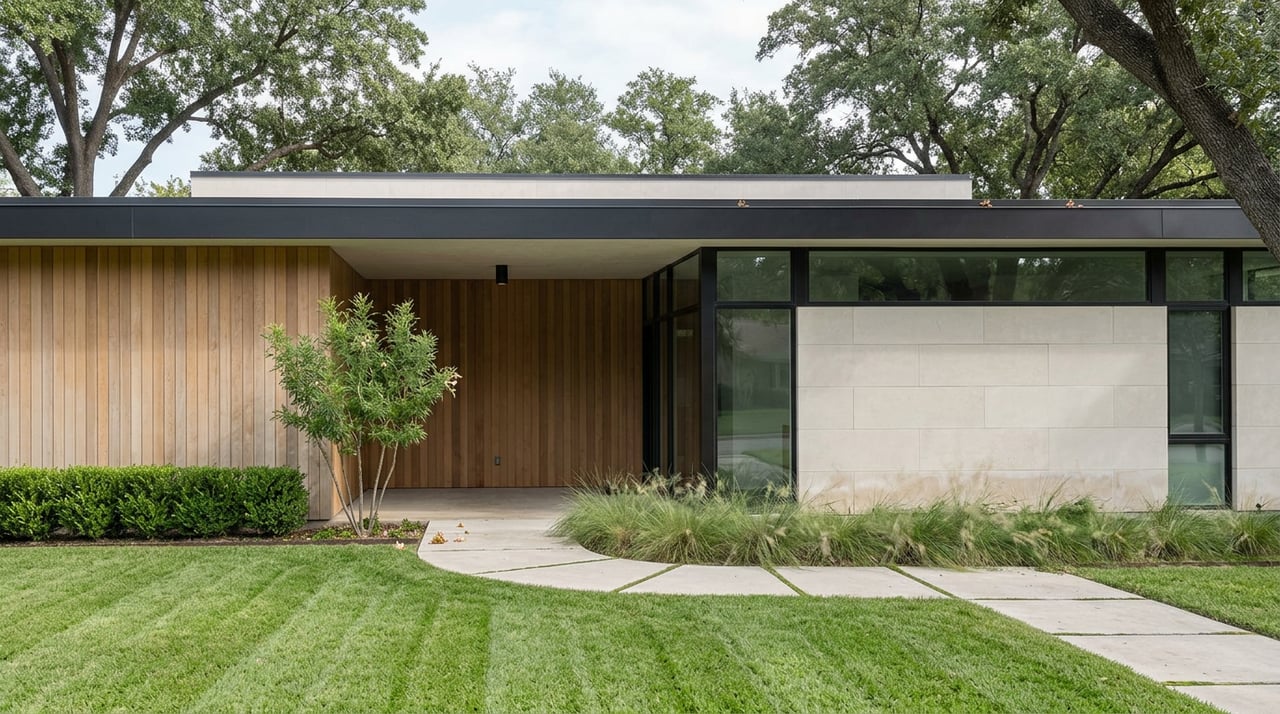
Rollingwood's original housing stock is mostly 1950s and 1960s ranch homes on generous lots, and the dominant pattern reshaping the community in 2026 is teardown and rebuild. Buyers are purchasing these homes largely for the land underneath them. That produces two very different products trading on the same streets. Original ranch homes priced mainly for lot value run roughly $1.2 million to $1.6 million. Finished new construction on the same blocks runs $2.3 million to well past $5 million depending on lot size and builder, with some recent sales reaching $7 million to $8 million. New construction itself is trading at $1,000 or more per square foot.
A 1960s ranch on a half-acre lot and a newly built custom home next door can differ in price by $2 million or more. Anyone quoting a single "median" for Rollingwood is averaging two markets that do not behave the same way.
For buyers willing to renovate rather than tear down, the math looks different but tells a similar story. A full interior overhaul, new kitchen, bathrooms, mechanical systems, and finishes, runs roughly $200,000 to $400,000 for a home in the 1,800 to 2,500 square foot range at current Austin construction costs. The renovated result, sitting on a Rollingwood lot with Eanes ISD enrollment, typically appraises and sells in the $2.2 million to $3 million-plus range. That spread between what goes in and what comes out is real, but it only works if the two diligence items below get confirmed early.
Before writing an offer with renovation or rebuild intent, confirm these:
- Permitting and setback rules specific to Rollingwood. The city's building code, permitted uses, and yard requirements are separate from Austin's, and they determine what you can actually build on a given lot, not what a general Austin renovation budget would assume.
- What utility infrastructure the property is actually on. City water and sewer versus private septic or well changes ongoing costs and renovation scope, and it is not something a listing photo will tell you.
Why So Few Listings Ever Reach the Portal
As of August 2026, Rollingwood carried roughly four active listings against sixteen closed sales over the prior twelve months. That is an unusually thin public inventory for a market moving that much volume, and the gap is explained by how much of Rollingwood's real transaction activity happens off-market. A meaningful share of Rollingwood homes change hands without ever appearing in a public MLS search, which means the "median price" a buyer sees on a portal is built from a fraction of what is actually trading.
Permit activity backs up the picture of a market that builds constantly but quietly. Rollingwood filed 31 building permits in 2026 through the most recent available data, up slightly from the prior year, with roofing work as the single largest category. That is a small city doing steady, incremental work on an aging housing stock, not a construction boom announcing itself with signage.
What This Means If You Are Comparing the Two
The premium buyers pay in Rollingwood is not a prestige tax layered on top of Westlake Hills. It is the price of building inside a jurisdiction with its own compressed construction calendar, a single approved truck route, and a housing stock where the finished product and the teardown it replaced can sit $2 million apart on the same street. Westlake Hills offers more land and more listings to compare against each other. Rollingwood offers less inventory, a tighter build schedule, and a market where the number on the portal is describing a smaller slice of what actually sold.
A Few Direct Questions
Is Rollingwood zoned and permitted by the City of Austin? No. Rollingwood has governed itself since incorporating in 1955, with its own building code, zoning authority, and police department, entirely separate from Austin's systems.
What should I confirm about utilities before making an offer on an older Rollingwood home? Confirm whether the property is on city water and sewer or on a private septic system or well. Infrastructure varies by street rather than by neighborhood-wide standard, and it directly affects renovation cost and scope.
If you are weighing Rollingwood against Westlake Hills, or trying to figure out which side of that $2 million teardown gap a specific lot falls on, that is exactly the kind of question worth working through with someone who tracks both markets closely. Local Color Realty Group works both neighborhoods regularly, including the off-market conversations that never make it to a portal. Work With Us.