If you are planning to tear down a house in Tarrytown, the first surprise rarely comes from the demolition crew. It comes from the calendar.
Before a wrecking permit clears in Austin, the property has to pass a pre-demolition inspection, and the city requires a notification window of at least five days to neighboring properties before any work can begin. If the structure being removed is 45 years old or older, it also triggers a review by the city's Historic Preservation Office. In a neighborhood where a meaningful share of the housing stock was built in the 1920s through the 1960s along streets like Windsor Road, Bowman Avenue, and Exposition Boulevard, that 45-year threshold catches almost everything. A buyer who assumed a teardown meant permit-then-bulldozer is instead looking at weeks of process before the first wall comes down.
That friction is not a footnote. It is the reason Tarrytown's price data looks like it is arguing with itself right now.
Two Numbers, One Neighborhood
Look at recent closed-sale data covering the most recent 30-day window this summer, measured against the same window a year earlier, and you get a genuine contradiction. The median sale price rose. The price per square foot fell, and not by a little.
| Metric | This summer's 30-day window | Same window, one year earlier |
|---|---|---|
| Median sale price | Up about 4.4% year over year | baseline |
| Median price per square foot | Down about 30.7% year over year | baseline |
| Homes sold | 11 | 13 |
| Median days on market | 57 | 23 |
| Sale-to-list ratio | 90.58% | roughly 2.3 points higher |
| Listings with a price drop | 54.55% | roughly 23.8 points lower |
A rising median and a collapsing per-square-foot figure cannot both describe the same house getting more expensive. They describe a different mix of houses closing. With only 11 sales in the window, one large finished new build or one raw teardown lot swings the median by hundreds of thousands of dollars, and it changes the average square footage in the pool enough to move the per-square-foot number just as hard, in the opposite direction.
A median price tells you what closed. A price per square foot tells you what kind of house closed. In Tarrytown this year, those have been two different stories.
Why Land and Structure Don't Move Together Here
Separately reported MLS data from this year puts Tarrytown's typical price per square foot at roughly $673, more than double the citywide Austin figure of about $302. That gap exists because in Tarrytown, land value and structure value are priced on almost independent tracks.
Start with the lots. Many Tarrytown parcels run 75 feet by 150 feet or larger, which is deep by central Austin standards, and much of that acreage sits under mature live oak canopy. The Central West Austin planning materials estimate roughly half the area's tree cover, and Austin's tree ordinance treats trees at 19 inches in diameter as protected and 24 inches as heritage class for qualifying species like oak. Construction within a heritage tree's critical root zone requires protective fencing and can shape where a foundation is allowed to sit before an architect draws a line. None of that shows up in a square-footage figure, but all of it shows up in what a buyer will pay for the dirt.
Then there is the demand side of the lot math. Casis Elementary is the school that pulls families toward specific blocks in Tarrytown regardless of what is currently built on the parcel, which means a dated 1950s ranch on a Casis-zoned street can command a price that has almost nothing to do with the house standing on it.
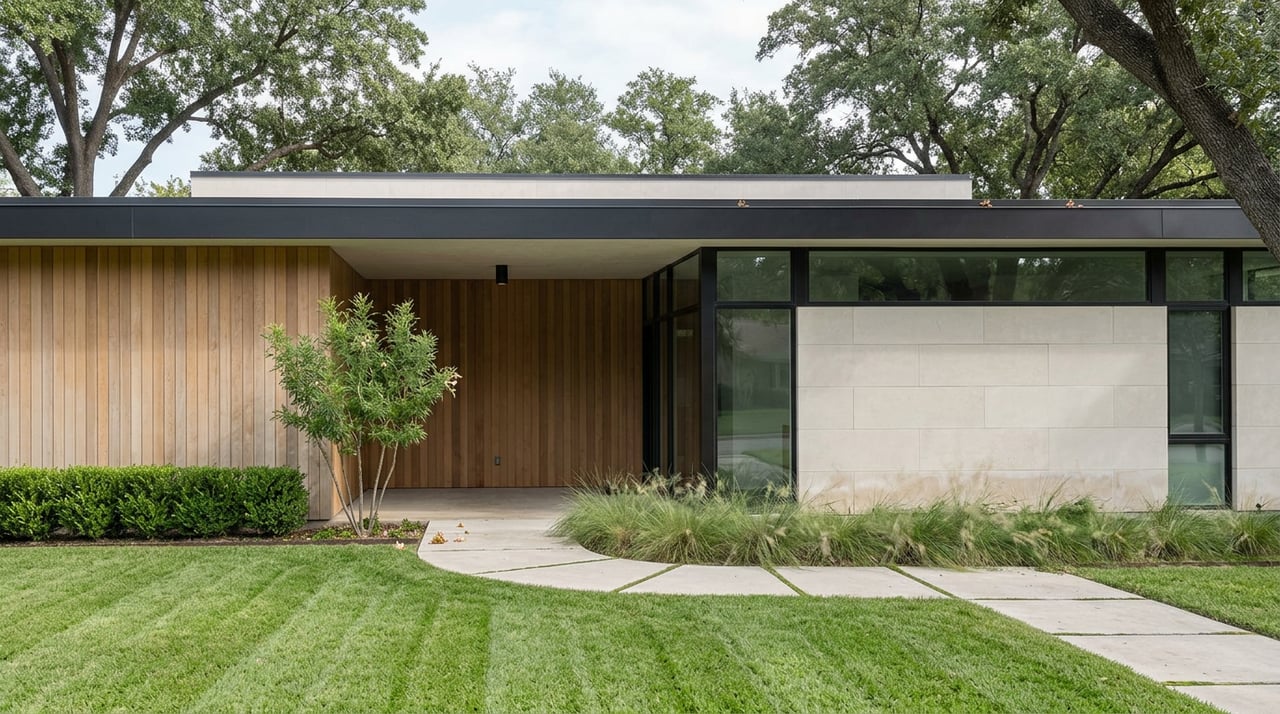
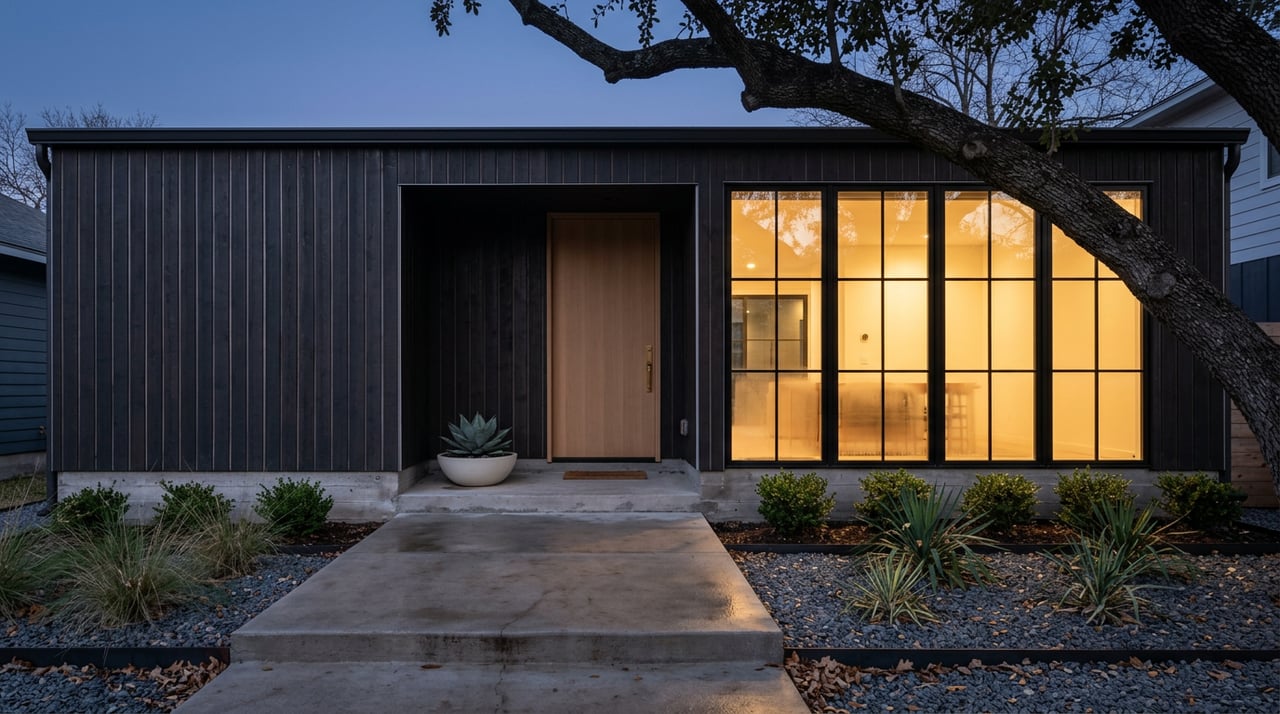
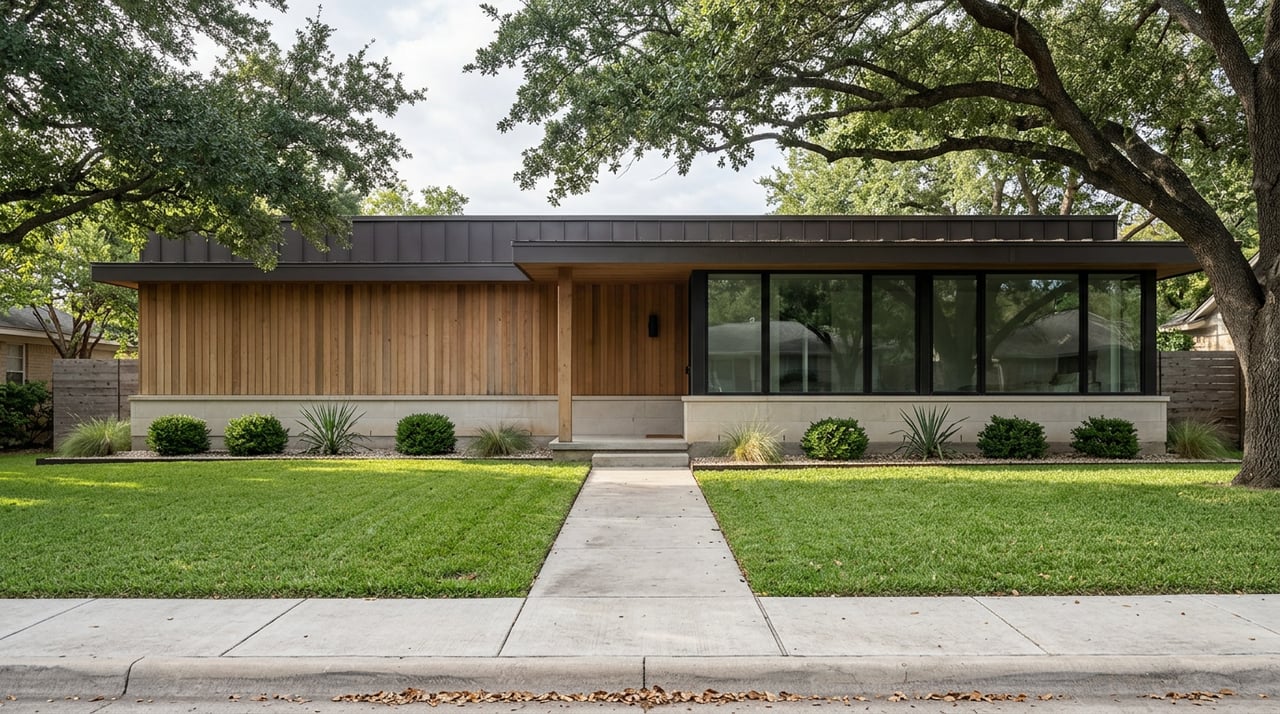
Put those together and you get a neighborhood where a torn-down lot, a half-century-old cottage, and a newly finished custom home can all sell within the same month for wildly different logic. The lot is priced for what could be built. The cottage is priced for the land underneath it, discounted for the process required to replace it. The new build is priced for finish quality, spread across a larger footprint that quietly dilutes its own per-square-foot number even as its total price climbs.
Reading a Tarrytown Listing Differently
If you are comparing homes here using price per square foot as your primary yardstick, you are measuring the wrong thing more often than not. A $673-per-square-foot median sounds like a ceiling until you realize it is an average of at least three different products: raw teardown lots priced almost entirely on dirt, older homes priced on a mix of land and a discount for what it will cost to update or replace them, and finished new construction priced on craftsmanship and square footage together.
Before you lean on a comp, ask what generation of Tarrytown you are actually looking at. Is the structure old enough to trigger Historic Preservation Office review, meaning any teardown plan needs that step built into your timeline? Does the lot carry heritage trees that will constrain the footprint before your builder ever proposes a floor plan? Is the home already updated, or are you paying land price for a structure you intend to remove?
The demolition notification window and Historic Preservation Office trigger are documented on the City of Austin's development services site, and the city's open data portal tracks demolition permits issued across every district, Tarrytown included, if you want to see how many teardowns have actually cleared the process recently rather than just been filed.
Three Questions Worth Asking Before You Write an Offer
What actually triggers Historic Preservation Office review? Any residential structure 45 years old or older in Austin gets reviewed before a total demolition permit is issued. Given Tarrytown's development history, spanning subdivision phases from the 1930s through the 1950s, most of the neighborhood's original housing stock qualifies.
How is a heritage tree defined, and does it affect my lot? Austin measures trunk diameter at 4.5 feet above ground. Protected trees start at 19 inches, and heritage trees, which include most mature oaks, start at 24 inches for qualifying species. If a tree that size sits near your buildable envelope, its critical root zone can shape where a foundation is allowed to go.
Why did days on market roughly double this year? With sale-to-list ratios softening and more than half of recent listings taking a price cut before closing, sellers who priced against last year's pace have had to adjust. That is consistent with a market where buyers have more room to negotiate than the headline median price alone would suggest.
Where This Leaves You
None of this means Tarrytown is cooling in any simple sense. It means the neighborhood's price data has to be read at the level of the lot, not the aggregate. A median tells you what a handful of transactions did last month. A price per square foot tells you what kind of house made up that handful. Neither number, on its own, tells you what a specific street, a specific lot depth, or a specific tree canopy is actually worth.
That is the kind of read that benefits from someone who tracks individual blocks rather than citywide averages. Paola McElheron and the team at Local Color Realty Group work Tarrytown and the rest of West and Central Austin lot by lot, matching buyers and sellers to the specific version of the neighborhood they are actually trading in, whether that is a deep lot under heritage oaks, a cottage ready for its next chapter, or a finished custom build. If you are weighing a purchase, a sale, or a renovate-versus-rebuild decision in Tarrytown, we would welcome the conversation.
Work With Us